(1)
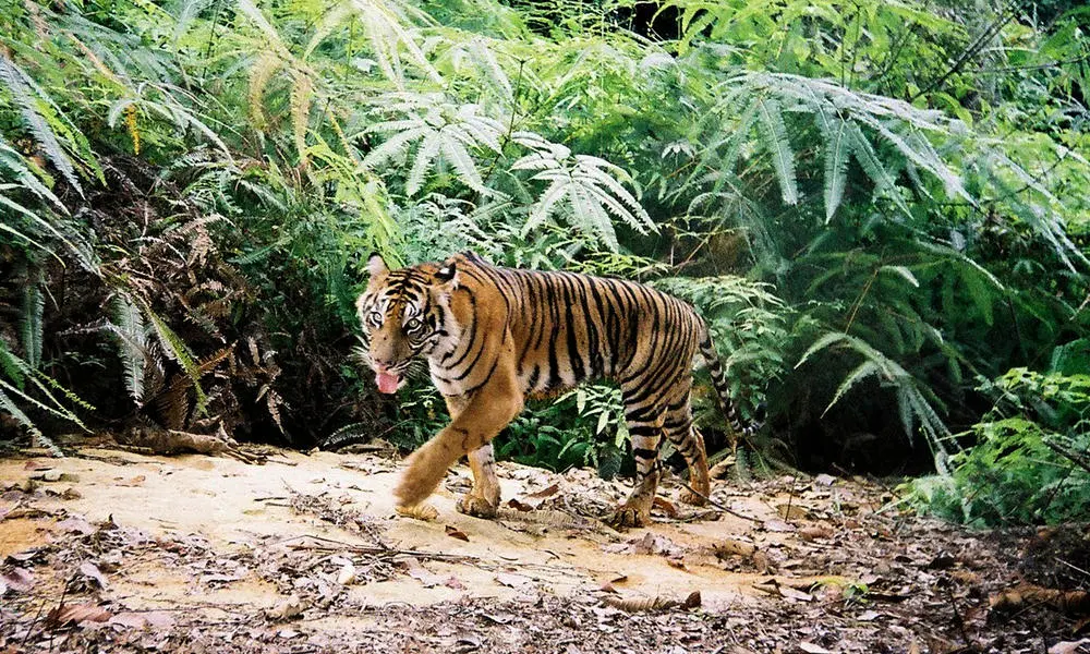
The Sumatran tiger (Panthera tigris sumatrae)is in decline. They are the most endangered species of tiger in the world and are classed as critically endangered (2).. Why you ask? Well its because of the demands of their body parts for use by people and the loss of habitat due to the need for more land for plantations for palm oil, rubber and paper (3). There is only an estimate of 400 of these tigers left in the wild (4)(2). There are people that are trying to protect the tiger in the wild as well as in captivity. Everything that people do impacts the welfare of these animals for good and for bad. Here are just a few things that impact the Sumatran tiger.
Deforestation
(5)
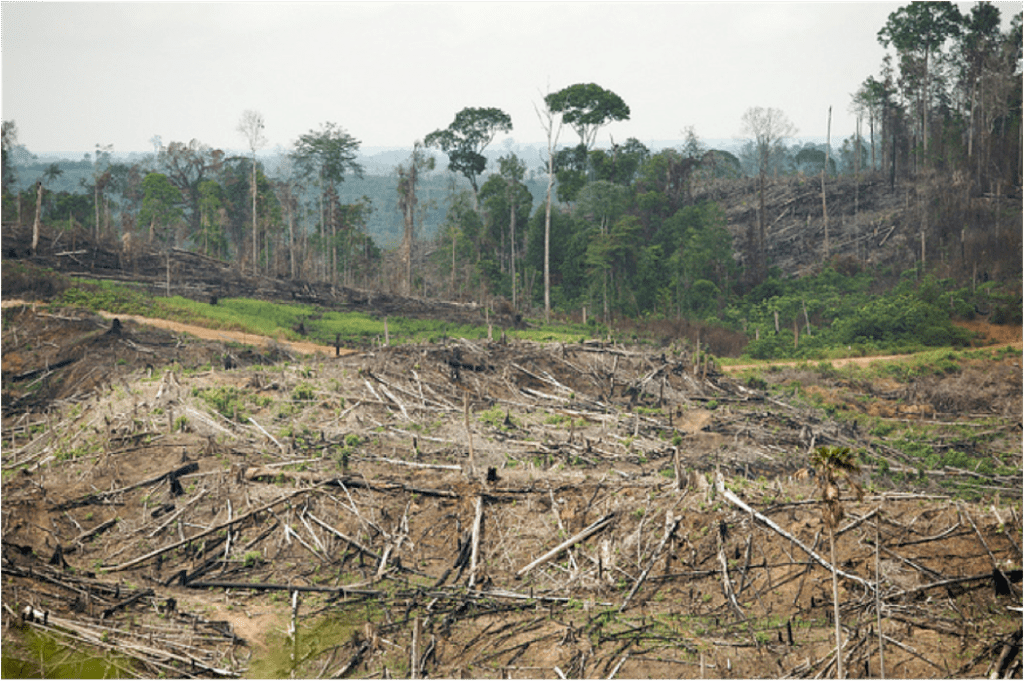
Deforestation is at its highest (5). Deforestation impacts the welfare of the Sumatran tiger as they have smaller territories (6) to roam preventing them to cover the amount that they should have, also creating a rift between population and leaving them fragmented into smaller groups decreasing the chance of reproduction and breeding within the species (7)This impacts their welfare as they are not able to exhibit (demonstrate) Natural behaviours (8) and their habitat become less suitable for them. Deforestation is happening because of the palm oil trade (3), the illegal and commercial logging trade (9) as well as the development of roads (6). Deforestation is also affecting the amount of food the tigers have and their prey is becoming scarce (9) meaning the tigers are having to go long and travel further to find food also increasing the risk of them coming into contact with more humans and livestock (1). What is being done? Charities are helping to try and plant trees to increase the area the tigers have to roam. Governments and charities are also helping by introducing protected areas (1) that are maintained by patrols that go round the area and check that there isn’t any illegal logging going on. What can you do help? Well, donating to charities that help to protect these animals in the wild is probably one of the biggest things you can do to help protect these animals.
Poaching
(10)
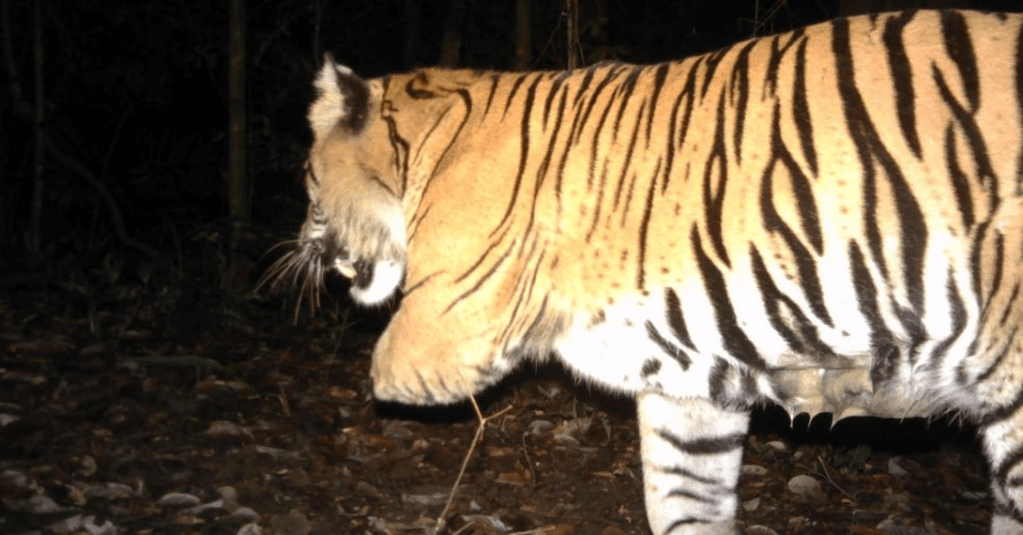
Poaching is a major threat to the Sumatran tiger. They are hunted and killed for their bones (11) and fur (12) as well as their young for the illegal pet trade. Their body parts and bone are wanted more and more(13) for traditional Chinese medicine (14). There are two main ways these animals are found to poached these are Poisoning and Snares (15). Both ways cause the animal pain and suffering therefore effecting their welfare as one of the needs is to be protected from pain suffering, injury and disease (8). The animal caught in the snare will suffer as they could be left for hour or even days with the snare cutting into body (9) with the chance of the animal not being a tiger but a different species. Is it worth letting these beautiful creatures suffer for our benefit?
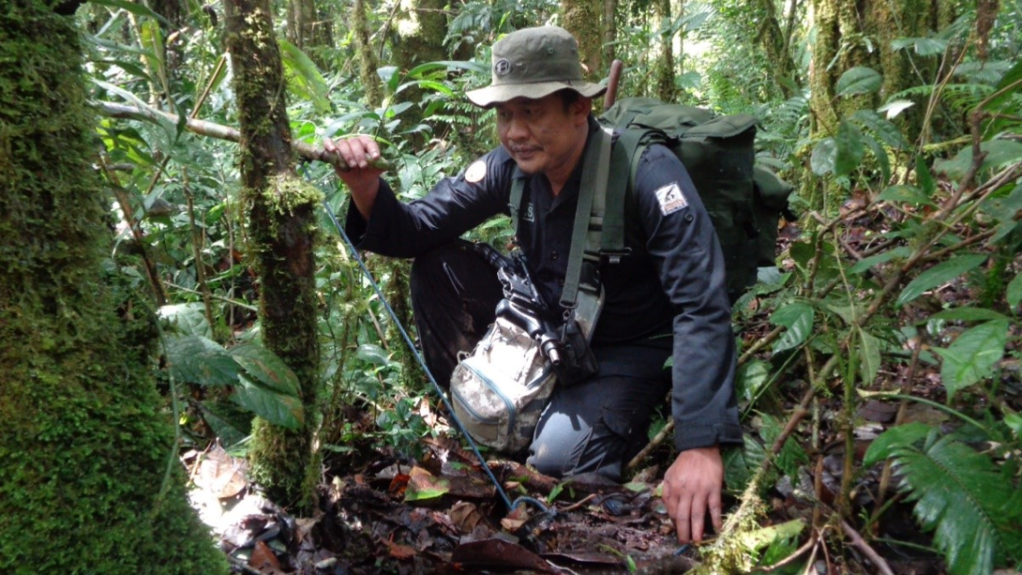
One of the things that’s being done is to try and save the Sumatran tiger in their natural habitat and reduce poaching is anti-poaching units (4).
(16)
As part of in-situ (in their natural habitiat) conservation, these units go out into the forest habitats where these tigers live and find snare that have been laid by poachers and de-activate(10) them and remove them to keep these animals safe (16). They also help rescue tigers that have been caught up in snares (4). Stricter laws mean poachers are getting bigger penalties (17)(4) if caught poaching or with equipment used or related to poaching (18) . What can be done to stop this you ask? Well if people stop buying things that have tiger products in them or the product they are buying is tiger product then demand for tiger part will decrease which will lead to a decline in illegal poaching for theses parts. You can also help by doing research into the Sumatran tigers and research what the anti-poaching units do.
Conservation in zoos
(19)
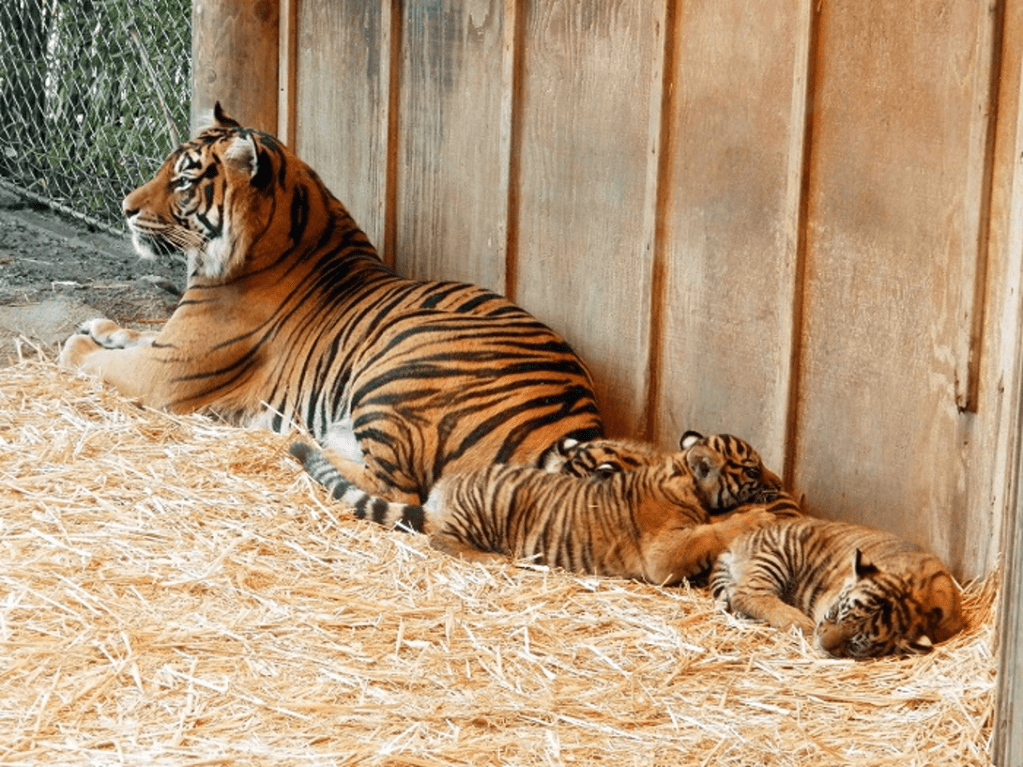
Ex-situ conservation involves conserving an animal in captivity, either in a zoo, reserve or park. These can have both positive and negative effects on the welfare of the Sumatran tiger. These include breeding programs (20) set up to boost the number of the population in captivity to hopefully in the future be able to release them back into the wild. The critically endangered status of the Sumatran tiger is noticed around the world with many zoos worldwide involved in the breeding program of the Sumatran tiger (21).
Positives of ex-situ conservation are that new generations are being born which will also go into the breeding program (22) that will potentially produce offspring that may go on to be release into the wild. Zoos also help to educate the public about the dangers and threats to these animals in the wild and educates them about the conservation efforts (23) and what can be done to help. In captivity the welfare of these animals is one of the most important things and zoos are regulated and monitored by BIAZA ( British and Irish association of zoo and Aquariums), EAZA (European association of zoo and aquariums) and WAZA (world association of zoos and aquariums) to make sure they are meeting the welfare standards (24) for all animals in their care. In zoos they get a suitable diet and are protected from pain suffering, injury and disease.
However, there are some negatives with zoos. The Sumatran tiger like all tiger require a suitable environment (8) and not all zoos have that required space, they have the minimum needed to house these tigers but with the breeding programs they are ending up with more animals (23) that will have to be moved and house else where because they don’t have the space to keep them. This can then lead to them showing stereotypical behaviours (25) instead of natural behaviours, these behaviours can include pacing and aggression. These animals are often kept in unnatural grouping. Tigers in the wild are solitary animals that only come together for breeding purposes but in zoo they are quite often kept in pairs this can cause issues with them fighting and potentially harming each other this can also effect their welfare for being grouped with or apart from another (8) is one of their five need it can also effect their behaviour. How can you help? You can help these animals by going to zoos and learning about these animals. You can help by again donating to projects that are helping these animals.
You can help these beautiful animals in a number of different ways don’t let them suffer and go extinct.
References
- WWF. (2020). Sunda Tiger | Species | WWF. Retrieved from https://www.worldwildlife.org/species/sunda-tiger
- IUCN. (2020). The IUCN Red List of Threatened Species. Retrieved from https://www.iucnredlist.org/species/15966/5334836
- Luskin, M. (2017). Deforestation Increases Threat of Extinction for Critically Endangered Sumatran Tiger. Retrieved from https://blog.nationalgeographic.org/2017/12/10/deforestation-increases-threat-of-extinction-for-critically-endangered-sumatran-tiger/
- Fauna&Flora. (2018). Success again for the Kerinci Seblat Protection Units | WildCats Conservation Alliance. Retrieved from https://conservewildcats.org/2018/09/10/kerinci-seblat/
- RAN. (2020). Indonesian Rainforests – Rainforest Action Network. Retrieved from https://www.ran.org/indonesian-rainforests/
- Gokkon, B. (2017). Deforestation in Sumatra carves up tiger habitats into ever smaller patches. Retrieved from https://news.mongabay.com/2017/12/deforestation-in-sumatra-carves-up-tiger-habitats-into-ever-smaller-patches/
- Bouchard, A. (2017). Sumatran Tigers Impacted by Deforestation and Fragmentation | Plants And Animals. Retrieved from https://www.labroots.com/trending/plants-and-animals/7509/sumatran-tigers-impacted-deforestation-fragmentation
- GOV. (2006). Animal welfare. Retrieved from https://www.gov.uk/guidance/animal-welfare
- Barker, A. (2018). Scientist examine the body of the pregnant tiger after it was killed by a wire snare. Retrieved from https://www.abc.net.au/news/2018-12-03/pregnant-tiger-death-dead-tiger-1/10568834
- Warriors, W. (2020). Sumatran Tigers | Projects | Wildlife Warriors and the Australia Zoo Wildlife Hospital – Global Conservation. Retrieved from https://wildlifewarriors.org.au/conservation-projects/sumatran-tigers
- Plowden, C., & Bowles, D. (1997). The illegal market in tiger parts in northern Sumatra, Indonesia. Oryx, 31(1), 59-66. doi: 10.1046/j.1365-3008.1997.d01-4.x
- Phillips, C. (2015). The animal trade. Wallingford: CABI Publishing.
- Challender, D., & MacMillan, D. (2014). Poaching is more than an Enforcement Problem. Conservation Letters, 7(5), 484-494. doi: 10.1111/conl.12082
- Ellis, R. (2005). Tiger Bone & Rhino Horn: The Destruction of Wildlife for Traditional Chinese Medicine (pp. pg 32 & pg 144). Washington: Island Press.
- Tilson, R., Nyhus, P., Sriyanto, & Rubianto, A. (2010). Poaching and Poisoning of Tigers in Sumatra for the Domestic Market. Tigers Of The World, 101-112. doi: 10.1016/b978-0-8155-1570-8.00006-2
- Martyr, D. (2020). Sumatran tiger | Fauna & Flora International. Retrieved from https://www.fauna-flora.org/species/sumatran-tiger
- France-Presse, A. (2016). Indonesia plans tougher punishments for poachers. Retrieved from https://www.theguardian.com/environment/2016/jun/08/indonesia-plans-tougher-punishments-for-poachers
- WILDCRU. (2016). Apart from forest loss, poaching is one of major threats to the rare Sumatran tiger and its prey. David Macdonald reports on the remarkable dedication, and bravery, of practical men working to protect tigers in the tropical forest of West-Central Sumatra. | WildCRU. Retrieved from https://www.wildcru.org/news/sumatran-tiger-poaching-patrols/
- Mathewson, S. (2016). Rare Sumatran Tigers Born In Indonesia and US Zoos. Retrieved from https://www.natureworldnews.com/articles/20122/20160222/conservation-sumatran-tigers-born-indonesia-zoos.htm
- Kasso, M., & Balakrishnan, M. (2013). Ex Situ Conservation of Biodiversity with Particular Emphasis to Ethiopia. ISRN Biodiversity, 2013, 1-11. doi: 10.1155/2013/985037
- WIBISONO, H., & PUSPARINI, W. (2010). Sumatran tiger (Panthera tigris sumatrae): A review of conservation status. Integrative Zoology, 5(4), 313-323. doi: 10.1111/j.1749-4877.2010.00219.x
- Fitzpatrick, M., Tumbelaka, L., & Traylor-Holzer, K. (2019). Sumatran Tiger – WAZA. Retrieved from https://www.waza.org/priorities/conservation/conservation-breeding-programmes/global-species-management-plans/sumatran-tiger/
- Temple, E. (2015). Captive Breeding Programs: The Pros and Cons to Building an “Arc” [Blog]. Retrieved from https://wp.natsci.colostate.edu/findingporpoise/captive-breeding-programs-the-pros-and-cons-to-building-an-arc/
- BIAZA. (2020). Our Vision. Retrieved from https://biaza.org.uk/our-vision
- Tigerworld. (2014). Tigers in Captivity – Tiger Facts and Information. Retrieved from https://www.tigers-world.com/tigers-in-captivity/
 Tigger in Decline